In China, gifting is not a gesture — it is a language. It communicates respect, signals commitment, and strengthens the relational bonds that underpin every successful business partnership. International companies operating in or selling into the Chinese market quickly discover that customer gifting and membership fulfillment are not optional extras. They are operational necessities that directly influence retention, revenue, and brand perception.
Yet for most overseas-headquartered organizations, fulfilling gifts across a country of 1.4 billion people presents a logistical challenge that dwarfs anything they face in Western markets. There is no local warehouse. There is no procurement team on the ground. There is no established network of suppliers for culturally appropriate gifts. Building this infrastructure from scratch — recruiting staff, negotiating vendor contracts, managing inventory, coordinating shipments — demands significant upfront investment and ongoing operational complexity that few companies can justify for what they perceive as a "secondary" function.
This article explains how international companies can operate sophisticated gift fulfillment and membership programs in China without building local operations from the ground up. It covers the cultural context that makes gifting essential, the operational complexity of doing it well, the digital tools that streamline execution, and the compliance frameworks that keep programs above board.
Why Corporate Gifting Matters in Chinese Business Culture
Western business culture tends to treat corporate gifting as a seasonal activity — a holiday basket in December, perhaps a branded notebook at an event. In China, gifting operates on a fundamentally different scale and rhythm. It is woven into the fabric of commercial relationships through the concept of guanxi (关系), the network of reciprocal obligations and interpersonal trust that facilitates business transactions.
Understanding the gifting calendar is the first step toward operational planning. Major gifting occasions in China include:
- Spring Festival (Chinese New Year): Typically falling in January or February, this is the single largest gifting occasion in the Chinese calendar. Companies send premium gift boxes to key clients, partners, and employees. Expected contents include tea, nuts, preserved meats, imported goods, and seasonal specialties. A high-quality Spring Festival gift signals that a relationship is valued and will be maintained.
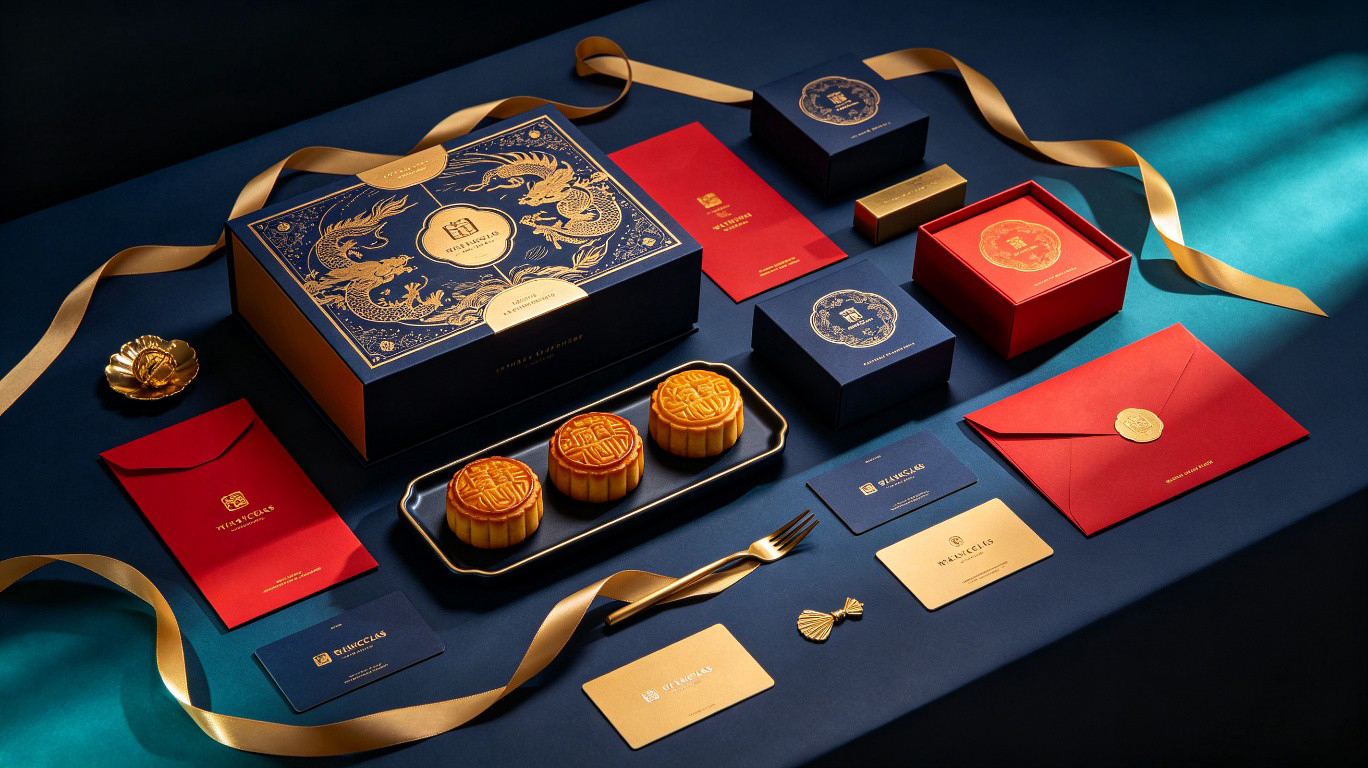
- Mid-Autumn Festival: Falling in September or October, this festival centers on mooncakes. Modern corporate gift boxes have evolved far beyond traditional mooncakes to include premium confections, tea sets, and luxury lifestyle products. Mid-Autumn gifting is expected from brands to their distribution partners and VIP customers.
- Dragon Boat Festival: Occurring in May or June, this festival involves the traditional gifting of zongzi (sticky rice dumplings). While less commercially intensive than Spring Festival or Mid-Autumn, it remains a meaningful touchpoint for client relationship management.
- Company anniversaries and milestones: Chinese business culture places significant emphasis on commemorating partnership anniversaries, joint venture milestones, and deal closings with commemorative gifts.
- Client birthdays and personal milestones: Personalized birthday gifts to key decision-makers demonstrate attentiveness and respect. This practice extends to the family members of senior executives in many industries.
- Qixi Festival (Chinese Valentine's Day): Relevant for brands in luxury, beauty, and lifestyle categories, this presents an opportunity for romantic or lifestyle-oriented gift campaigns.
For membership and loyalty programs, gifting takes on an additional dimension: it becomes the tangible expression of a brand's appreciation for customer loyalty. Points redemption, tier upgrade gifts, birthday rewards, and VIP welcome packages are all expected elements of a well-functioning membership operation in China.
"Companies that treat Chinese customer gifting as an afterthought consistently underperform in retention metrics. Gifting is not a cost center — it is a relationship investment with measurable returns."
The Operational Challenge for Overseas Companies
The gap between understanding the importance of gifting and actually executing it in China is enormous. Consider what a fully functional gift fulfillment operation requires:
Procurement: Sourcing culturally appropriate gifts at competitive prices requires relationships with Chinese suppliers, manufacturers, and specialty vendors. A Spring Festival gift box that resonates with Chinese recipients cannot be assembled from a Western product catalog. It requires local market knowledge — knowing which tea brands carry prestige, which preserved fruit brands are trending, and what packaging styles convey premium quality versus generic corporate swag.
Customization: Corporate gifts in China are expected to carry the recipient's name, company logo, or personalized messaging. This requires print production capabilities, variable data printing for packaging inserts, and quality control processes that catch errors before gifts ship to recipients.
Packaging: Presentation matters enormously in Chinese gift culture. A premium product in generic packaging significantly diminishes its perceived value. Professional gift assembly — the careful arrangement of items within custom-printed boxes, tissue paper, branded ribbon, and handwritten cards — is a labor-intensive process that demands trained staff.
Delivery: China's logistics infrastructure, while advanced in Tier 1 cities, becomes significantly more complex in Tier 2 and Tier 3 markets. Delivery to remote industrial parks, satellite offices, and residential compounds requires coordination with multiple courier networks and real-time tracking to ensure gifts arrive on time and in perfect condition.
Tracking and confirmation: In Chinese business culture, it is important to confirm that a gift was received. This requires delivery confirmation protocols, recipient acknowledgment tracking, and follow-up communication — all in Chinese — to close the loop on each gift transaction.
For a company headquartered in Europe or North America, building this capability internally means establishing a Chinese entity (or at minimum a representative office), hiring operations staff, leasing warehouse space, and managing ongoing vendor relationships. The fixed costs associated with this infrastructure are difficult to justify unless gifting volume is consistently high year-round — which, for most companies, it is not.
What a Gift Fulfillment Partner Handles
This is where specialized gift fulfillment partners enter the picture. A China-based fulfillment partner provides the entire operational stack as a managed service, allowing international companies to run sophisticated gifting programs without any local infrastructure.
A comprehensive gift fulfillment partner typically manages the following:
- Needs assessment and curation: Working with the client to understand the gifting occasion, recipient profile, budget range, and brand positioning to recommend appropriate gift selections.
- Procurement and sourcing: Leveraging established supplier networks to source products at scale, negotiate pricing, and manage quality assurance for every item included in a gift package.
- Customization and branding: Managing the personalization process including custom packaging design, logo printing, personalized greeting cards, and variable data insertion for recipient-specific messaging.
- Assembly and quality control: Physically assembling each gift package with attention to presentation quality, conducting spot-checks on completed packages, and photographing samples for client approval before full production.
- Logistics coordination: Managing end-to-end delivery through integrated logistics networks covering all regions of China, including remote areas. This includes selecting the optimal courier for each destination, managing delivery windows, and handling last-mile challenges.
- Tracking and reporting: Providing real-time delivery status updates, delivery confirmation receipts, and consolidated reporting on gift campaign performance — how many gifts shipped, how many were delivered successfully, and any exceptions that require client attention.
- Post-delivery follow-up: Managing recipient acknowledgment communication, handling returns or exchanges, and facilitating the relationship-closing rituals that are expected in Chinese gifting culture.
The practical benefit is clear: instead of investing in infrastructure, the client pays only for the gifts and services they actually use. Fixed costs become variable costs, and the operational complexity is absorbed by a team that handles these tasks every day.
JD E-Cards and Digital Gifting
Physical gifts are not the only option. Digital gifting has become an increasingly popular and operationally efficient approach, particularly for loyalty program rewards, employee recognition, and high-volume customer appreciation initiatives.
JD E-Cards (京东E卡) are the dominant digital gifting instrument in China's e-commerce landscape. JD.com (Jingdong) is China's largest direct-sales e-commerce platform, and its E-Cards function as prepaid digital gift cards that recipients can use to purchase anything on the JD platform — from electronics and home appliances to groceries and personal care products.
The advantages of JD E-Cards for international gift programs include:
- Instant delivery: E-Cards can be sent electronically within minutes, making them ideal for last-minute gifting needs, birthday surprises, or time-sensitive occasions.
- Flexibility and choice: Recipients select their own products from JD's massive catalog, eliminating the risk of sending something the recipient does not want or already has.
- Full trackability: Every E-Card transaction is digitally recorded — when it was sent, when it was claimed, and what was purchased. This data integrates with CRM systems for relationship tracking.
- Scale: E-Cards can be distributed to thousands of recipients simultaneously through automated systems, making them suitable for large-scale loyalty program fulfillment.
- Premium perception: JD is widely regarded as a premium platform in China (compared to the more value-oriented Taobao). JD E-Cards carry positive brand associations that enhance the perceived value of the gift.
Beyond JD E-Cards, other digital gifting options include WeChat Red Packets (微信红包) for smaller-value personal gifting, platform-specific vouchers for apps like Meituan or Dianping, and custom-branded digital gift cards for brands with their own Chinese e-commerce presence. A well-designed digital gifting strategy combines physical gifts for high-value relationships with digital gifts for broader audience engagement.
Membership Operations: Points, Tiers, and VIP Rewards
Customer membership programs in China operate at a level of sophistication that often exceeds their Western counterparts. Chinese consumers have been trained by platforms like Alibaba (88VIP), JD Plus, and various app-based loyalty programs to expect tangible, frequent, and valuable rewards for their loyalty.
For international brands with membership or loyalty programs that extend into the Chinese market, fulfillment operations typically include:
- Points fulfillment: Converting loyalty points into physical products, digital rewards, or experience-based gifts. This requires maintaining an inventory of redemption items, managing fulfillment logistics, and providing a seamless redemption experience in Chinese.
- Tier upgrade gifts: When a customer advances to a new membership tier (Silver to Gold, Gold to Platinum), a welcome gift reinforces the achievement. These gifts must be perceived as genuinely valuable — not promotional samples — to maintain the program's credibility.
- Birthday rewards: Personalized birthday gifts are a nearly universal expectation in Chinese membership programs. The gift should arrive on or near the member's birthday, be personalized with their name, and feel special rather than automated.
- VIP welcome packages: For top-tier members or high-value B2B clients, the onboarding experience often includes a curated welcome box with premium products, personalized stationery, and exclusive access materials.
- Anniversary gifts: Commemorating the anniversary of a customer's first purchase or membership enrollment with a thoughtful gift reinforces long-term engagement.
The operational challenge is that these events happen continuously throughout the year, not just during festival seasons. A membership program with 10,000 active Chinese members might require 50 to 100 individual gift shipments per week to maintain its fulfillment SLAs. Without a local team managing this workflow, delays and errors accumulate quickly, degrading the member experience and undermining the program's effectiveness.
CRM Integration: Connecting Gifting Data to Your Customer System
Gift fulfillment data is not isolated operational data — it is customer relationship intelligence. Every gift sent, delivered, acknowledged, or redeemed represents a touchpoint in the customer journey that should be visible in your CRM system.
Effective CRM integration for China gifting programs includes:
- Event triggers: Automatically initiating gift fulfillment based on CRM events — a customer reaching a spending threshold, a membership tier change, an upcoming birthday, or a partnership anniversary date.
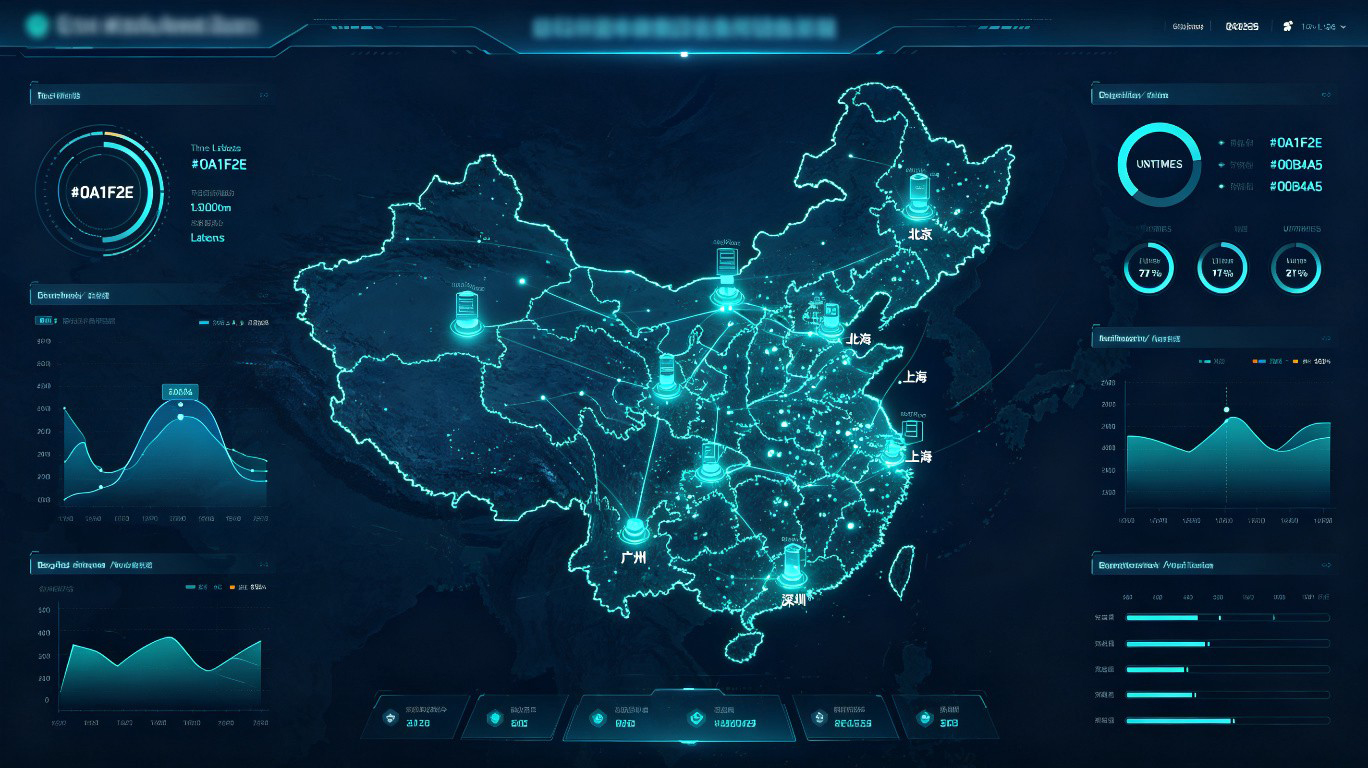
- Status synchronization: Real-time updates on gift status (ordered, assembled, shipped, delivered, acknowledged) pushed back into the CRM record, giving account managers visibility into whether their clients have received their gifts.
- Recipient feedback capture: Collecting and centralizing recipient responses — thank-you messages, product preferences, delivery issues — to inform future gifting decisions and relationship management strategies.
- ROI attribution: Linking gifting activity to downstream business outcomes — deal conversion rates, customer retention rates, upsell rates — to quantify the return on gifting investment.
- Budget tracking: Centralized dashboards that track gifting spend by account, region, occasion, and program category, ensuring budgets are managed efficiently across a distributed organization.
For international companies using platforms like Salesforce, HubSpot, or Microsoft Dynamics, integration typically occurs through APIs or middleware connectors that bridge the CRM system with the local fulfillment partner's operations platform. The technical complexity of this integration is manageable; the organizational complexity of aligning data models between global CRM instances and local Chinese operations is where most projects encounter friction. Working with a partner that has pre-built integration templates for common CRM platforms significantly reduces implementation time.
Compliance Considerations: Anti-Bribery Laws and Gift Value Limits
Gifting in a business context exists in a regulatory gray area that international companies must navigate carefully. The line between a legitimate relationship gesture and a bribe is defined differently across jurisdictions, and companies with operations in both China and their home country must satisfy the stricter of the two standards.
Key compliance considerations include:
- China's Anti-Unfair Competition Law: China updated its anti-unfair competition regulations recently, tightening restrictions on commercial bribery. While the law primarily targets government officials and state-owned enterprise employees, private sector gifting is also scrutinized when gift values are excessive relative to the business relationship.
- U.S. Foreign Corrupt Practices Act (FCPA): For American companies, the FCPA extends its anti-bribery provisions to activities in China. Even if a gift is culturally appropriate under Chinese norms, it may violate FCPA standards if its value exceeds reasonable promotional expenditure thresholds.
- UK Bribery Act: The UK Bribery Act applies to British companies globally and is notably strict, prohibiting facilitation payments and imposing strict liability for corporate failure to prevent bribery.
- Internal gift value policies: Most multinational companies maintain internal policies that set per-recipient gift value limits (commonly ranging from $50 to $200 per occasion) and require pre-approval for gifts exceeding certain thresholds. These policies must be communicated clearly to the local fulfillment partner.
- Documentation requirements: Every gift should be documented with a business justification, recipient details, gift value, and approval record. This documentation serves as the compliance audit trail and should be maintained centrally, ideally within the CRM system.
A reputable gift fulfillment partner will proactively flag potential compliance issues, provide itemized cost breakdowns that support documentation requirements, and implement approval workflows that prevent unauthorized gifts from being dispatched. Compliance should not be an afterthought — it should be embedded into the operational process from the outset.
Cost Models and ROI: Budgeting for a China Gifting Program
Understanding the cost structure of a China gifting program enables accurate budgeting and realistic ROI expectations. The primary cost components include:
| Cost Component | Description | Typical Range |
|---|---|---|
| Gift product cost | The actual value of gift items (tea, electronics, food, etc.) | 50–70% of total budget |
| Packaging and customization | Custom boxes, printing, ribbon, greeting cards | 10–15% of total budget |
| Assembly labor | Manual gift assembly and quality inspection | 5–8% of total budget |
| Logistics and delivery | Courier fees, insurance, remote area surcharges | 8–15% of total budget |
| Service and management fee | Partner's project management and coordination | 8–12% of total budget |
As a practical benchmark, a mid-range corporate gift package for a Chinese business partner typically costs between RMB 200 and RMB 500 (approximately $28–$70 USD) per recipient, including all packaging and delivery. Premium gifts for C-suite executives or VIP clients can range from RMB 800 to RMB 2,000 ($110–$280 USD) per package. Digital gifts like JD E-Cards offer a simpler cost structure: you pay the face value plus a small issuance fee, with zero logistics cost.
Measuring ROI from gifting programs requires tracking downstream business metrics. In B2B contexts, companies commonly measure client retention rate improvement among gift recipients versus non-recipients, average deal size increase for clients in active gifting programs, deal velocity (time from initial contact to close) for gifted accounts, and Net Promoter Score shifts following gifting campaigns.
In B2C membership programs, the metrics shift toward customer lifetime value, redemption-driven engagement rates, tier progression velocity, and churn rate reduction among members who receive regular fulfillment touches. When gifting data is properly integrated with CRM and analytics systems, these metrics become measurable and actionable.
Getting Started: Building Your China Gifting Program
For international companies ready to establish or professionalize their China gifting and membership fulfillment operations, the recommended approach follows four phases:
- Audit your current state: Map existing gifting activities (who sends gifts, to whom, for what occasions, at what cost) and identify gaps where Chinese clients or members are underserved compared to their expectations.
- Define your gifting strategy: Establish a gifting calendar aligned with Chinese business and festival dates, define recipient tiers and corresponding gift levels, set budget parameters, and document compliance policies.
- Select a fulfillment partner: Evaluate potential partners based on their geographic coverage, supplier network depth, CRM integration capabilities, compliance track record, and reporting quality.
- Pilot and scale: Launch with one high-priority occasion (typically Spring Festival) to validate the end-to-end process, then expand to year-round membership fulfillment and multi-occasion gifting based on initial results.
The companies that get this right do not treat China gifting as a peripheral logistics task. They treat it as a strategic growth lever — one that deepens relationships, strengthens brand equity, and drives measurable commercial outcomes across the world's second-largest economy.
Frequently Asked Questions
What is the typical budget for a corporate gifting program in China?
A mid-range corporate gift for Chinese business partners costs RMB 200–500 ($28–$70 USD) per recipient, including packaging and delivery. Premium VIP gifts range from RMB 800–2,000 ($110–$280). For a company managing 500 key relationships across three major festivals plus birthday gifting, an annual budget of RMB 500,000–1,000,000 ($70,000–$140,000) is a reasonable planning range. Digital gifts like JD E-Cards reduce per-unit costs by eliminating logistics and packaging.
Can we use our existing global logistics provider for China gift delivery?
Global logistics providers like DHL and FedEx can deliver to China, but they are significantly more expensive than local courier networks for domestic Chinese delivery. More importantly, they lack the local expertise for gift assembly, customization, and presentation that Chinese recipients expect. A specialized China gift fulfillment partner provides both the operational capability and the cultural knowledge that global logistics companies do not offer.
How do JD E-Cards work for international companies without a JD business account?
International companies can purchase and distribute JD E-Cards through authorized corporate resellers or through their local fulfillment partner. The E-Cards are issued digitally, delivered to recipients via email or WeChat message, and redeemed on JD's platform. The entire process can be managed remotely — no JD business registration or Chinese entity is required. Your fulfillment partner handles the procurement and distribution logistics.
How do anti-bribery laws affect corporate gifting in China?
International companies must comply with their home country's anti-bribery laws (FCPA for U.S. companies, UK Bribery Act for British companies) alongside Chinese commercial regulations. Practical steps include setting per-recipient gift value limits (typically $50–$200), documenting business justifications for every gift, obtaining pre-approval for high-value gifts, and working with a fulfillment partner that implements compliance checks into their dispatch workflow. The key is proportionality: gifts should be reasonable relative to the business relationship.
How far in advance should we plan festival gifting campaigns?
For major festivals like Spring Festival and Mid-Autumn Festival, planning should begin 6–8 weeks in advance. This allows time for gift curation and client approval (2 weeks), procurement and customization (2–3 weeks), assembly and quality control (1 week), and delivery to all regions including Tier 3 cities (1 week). Last-minute orders are possible for digital gifts, but physical gift campaigns require advance planning due to supplier lead times and logistics complexity during peak seasons.
Can gifting data integrate with our global CRM system?
Yes. Established fulfillment partners offer API-based integration with common CRM platforms including Salesforce, HubSpot, and Microsoft Dynamics. The integration typically supports event-driven triggers (automatically initiating gift fulfillment based on CRM events), status synchronization (real-time delivery updates pushed back to CRM records), and reporting dashboards that consolidate gifting data with your existing customer intelligence. Pre-built connectors reduce implementation time from months to weeks.
Professionalize Your China Gifting Program
EastZebra's Growth services team manages end-to-end gift fulfillment and membership operations for international companies across China — from festival gift curation and JD E-Card distribution to CRM-integrated points fulfillment and VIP reward programs.
Schedule a Free Consultation