Entering the Chinese market is not simply a matter of translating your website and hoping for the best. It requires a deep, thoughtful process of localization that respects cultural nuances, adapts to local consumer behavior, and aligns with the unique digital landscape of China. Yet many international brands make the critical mistake of either over-adapting, losing the very identity that made them appealing, or under-adapting, failing to connect with local audiences at all. The key lies in striking a delicate balance: adapting your brand for Chinese consumers while preserving the core identity that defines who you are.
In this comprehensive guide, we explore the best practices for localizing your brand in China. From understanding consumer psychology to refining your visual identity, messaging, product strategy, and digital experience, we provide actionable insights drawn from years of helping global companies succeed in one of the world's most dynamic markets.
Why Localization Matters More Than Translation
Translation converts words from one language to another. Localization transforms your entire brand experience to resonate with a new culture. In China, this distinction is everything. A literal translation of your tagline might be grammatically correct yet culturally meaningless, or worse, unintentionally offensive. Colors, symbols, numbers, and even humor carry vastly different connotations in Chinese culture.
Consider the number four, which sounds like the word for death in Mandarin. A promotional campaign built around "four amazing benefits" could inadvertently trigger negative associations. Similarly, white, often associated with purity in the West, is traditionally linked to mourning in China. These cultural subtleties permeate every aspect of brand communication and can make or break your market entry.
Localization also extends to how consumers discover, evaluate, and purchase products. Chinese shoppers rely heavily on social proof, peer recommendations, and live-streaming demonstrations. A purchase journey that begins with a Google search in the United States might start with a Douyin video or a Xiaohongshu review in China. Understanding these behavioral differences is the foundation of effective localization.
Understanding Chinese Consumer Psychology
Chinese consumers are among the most digitally sophisticated and brand-conscious in the world. They value quality, authenticity, and social validation, but their decision-making process follows patterns that differ significantly from Western shoppers.
Face and social status play a central role in Chinese consumer behavior. Purchasing decisions are often influenced by how a product reflects on the buyer's social standing. Premium international brands carry strong signaling value, but only when they are perceived as genuinely exclusive and culturally relevant. A luxury brand that discounts too aggressively or appears too accessible can quickly lose its aspirational appeal.
Collectivism over individualism shapes marketing messaging. While Western campaigns often emphasize personal achievement and self-expression, Chinese audiences respond more positively to themes of family harmony, group belonging, and shared success. Advertisements that depict multi-generational families or communities coming together tend to outperform those focused on solitary individualism.
Trust is earned, not assumed. Chinese consumers are naturally skeptical of unfamiliar brands, particularly those without a visible local presence. Building trust requires consistent engagement, transparent communication, and endorsement from trusted local voices. A brand that invests in long-term relationship-building will always outperform one that treats China as a quick revenue opportunity.
Cultural Adaptation vs. Cultural Appropriation
There is a fine line between thoughtful cultural adaptation and exploitative cultural appropriation. Brands that succeed in China demonstrate genuine respect for local culture rather than superficially borrowing symbols for commercial gain.
Authentic adaptation involves understanding the historical and social context of cultural elements before incorporating them. It means collaborating with local creatives, consulting cultural experts, and listening to Chinese consumer feedback. It also means being willing to adapt your brand values when they conflict with local norms, without compromising your core mission.
Appropriation, by contrast, treats culture as a decorative accessory. Using traditional Chinese motifs without understanding their significance, or creating Lunar New Year campaigns that feel like cynical cash grabs, can provoke backlash from increasingly culturally aware Chinese consumers. The rule is simple: if you cannot explain the cultural meaning behind a creative choice, you should probably reconsider it.
Visual Identity Adaptation for China
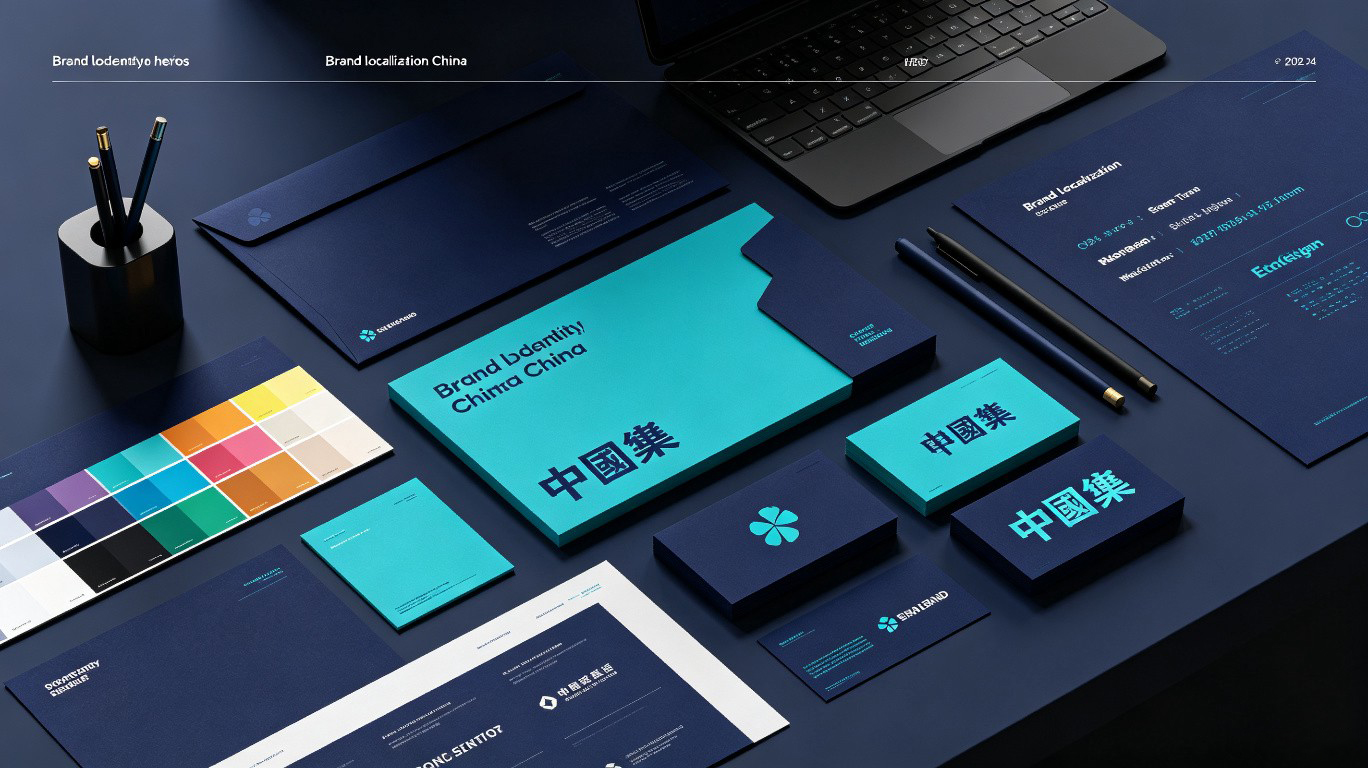
Your visual identity is often the first point of contact between your brand and Chinese consumers. While consistency across markets is important, rigid adherence to global guidelines can limit your effectiveness in China.
Color psychology varies significantly. Red symbolizes luck, prosperity, and celebration in China, making it a powerful choice for promotional materials and festive campaigns. Gold conveys wealth and prestige. Green, associated with health and freshness, works well for organic and wellness brands. Understanding these associations allows you to make informed design decisions that resonate locally.
Typography requires careful attention. Chinese characters are visually denser than Latin scripts and require more breathing room. A layout designed for English may feel cramped when adapted to Chinese text. Work with designers experienced in bilingual layouts to ensure readability and aesthetic harmony.
Imagery and representation should reflect local diversity. Chinese consumers want to see themselves represented in your campaigns. Using exclusively Western models or settings creates psychological distance and undermines your local credibility. Invest in local photography and cast Chinese talent who embody the aspirations of your target demographic.
Brand Messaging and Tone of Voice
The way you speak to Chinese consumers can be just as important as what you say. Tone of voice must be carefully calibrated to match local expectations while preserving your brand personality.
Chinese marketing language tends to be more descriptive and emotionally expressive than its Western counterpart. Superlatives, poetic metaphors, and evocative imagery are common and expected. A tagline that feels understated and elegant in English might come across as bland in Chinese. Conversely, a direct, hard-selling tone that works in some Western contexts can feel aggressive and off-putting to Chinese audiences.
Transcreation, not translation, is the gold standard for brand messaging. Transcreation involves recreating your message from scratch in the target language, guided by the emotional intent and strategic objective of the original rather than its literal wording. This process requires creative writers who are native speakers and deeply understand your brand.
Product Adaptation Strategies
Sometimes localization requires rethinking the product itself. Chinese consumers have distinct preferences, needs, and usage contexts that may not align with your existing offerings.
Flavor and formulation adjustments are common in the food and beauty industries. A skincare brand entering China might need to develop lighter textures suited to humid climates, or formulations that address specific concerns like skin whitening, which remains a significant market segment. Food brands often need to reduce sugar levels or incorporate locally preferred ingredients.
Packaging also matters. Chinese consumers place high value on gift-worthy packaging, particularly for premium products. Elegant, multi-layered packaging that feels ceremonial can justify higher price points and enhance perceived value. Sustainability messaging is growing in importance, particularly among younger, urban consumers.
UX/UI Localization Considerations
Chinese internet users have grown up with a distinct visual and interaction design language shaped by dominant local platforms like WeChat, Taobao, and Douyin. Your digital experience must feel native to this ecosystem.
Information density is generally higher on Chinese websites and apps. Users are accustomed to seeing more content above the fold, with multiple entry points, promotional banners, and interactive elements competing for attention. A minimalist Western layout might feel empty or unfinished to Chinese eyes.
QR codes are ubiquitous and essential. They serve as bridges between offline and online experiences, payment gateways, social connections, and content access. Any China-facing digital property must integrate QR codes thoughtfully and prominently.
Mobile-first is non-negotiable. With the vast majority of Chinese internet access occurring via smartphones, your mobile experience must be flawless. This goes beyond responsive design to include integration with WeChat Mini Programs, mobile payment systems, and platform-specific sharing mechanisms.
Content Localization and Transcreation
Content is the engine of digital marketing in China, but the types of content that succeed differ markedly from Western norms. Long-form articles, live-streaming sessions, short-form videos, and interactive social content all play important roles.
Chinese consumers expect brands to provide educational and entertaining content, not just promotional messages. A beauty brand, for example, should invest in tutorials, ingredient explainers, and expert interviews rather than relying solely on product advertisements. Content that demonstrates expertise and provides genuine value builds the trust that drives long-term loyalty.
Platform-specific content optimization is critical. What works on WeChat differs from what performs on Douyin, Xiaohongshu, or Bilibili. Each platform has its own content formats, user behaviors, and algorithmic preferences. A successful content strategy requires platform-native adaptation rather than cross-posting identical material.
Social Proof and Trust Signals in China
In a market where trust is hard-won, social proof is your most powerful asset. Chinese consumers rely heavily on reviews, ratings, Key Opinion Leader (KOL) endorsements, and peer recommendations when making purchasing decisions.
KOL and KOC marketing have become essential channels. Key Opinion Consumers, in particular, offer authentic, relatable endorsements that resonate with younger audiences who are increasingly skeptical of polished celebrity campaigns. Building a network of genuine brand advocates takes time but yields compounding returns.
User-generated content carries significant weight. Encouraging customers to share their experiences on Xiaohongshu, Douyin, and WeChat creates a virtuous cycle of social validation. Brands that facilitate and celebrate user content build communities that sustain organic growth.
Official verification badges on WeChat, Tmall, and other platforms provide institutional trust signals. Obtaining and prominently displaying these badges signals legitimacy and reduces consumer hesitation.
Testing and Iteration Frameworks
Localization is not a one-time project but an ongoing process of learning and refinement. Implementing structured testing frameworks allows you to optimize your approach based on real market feedback.
A/B testing should be conducted across all major touchpoints, from landing page layouts and headline messaging to product descriptions and promotional offers. Chinese consumer preferences can vary significantly by region, age group, and income level, making segmented testing particularly valuable.
Qualitative research complements quantitative data. Focus groups, in-depth interviews, and social listening provide context that numbers alone cannot reveal. Understanding why consumers respond a certain way is as important as knowing what they respond to.
Establish feedback loops with your local team or partners. The companies that localize most effectively are those that empower local decision-makers and trust their judgment. A headquarters-driven approach that micromanages every detail from abroad rarely succeeds.
Case Studies of Successful Localization
Some of the world's most successful brands in China offer valuable lessons in balanced localization.
Starbucks entered China not as an American coffee chain but as a "third place" between home and work, adapting its store design, menu, and community engagement to Chinese social culture. Localized offerings like mooncake gift sets and tea-infused beverages demonstrated cultural fluency without abandoning the core brand promise.
Apple maintained its globally consistent product design and brand aesthetic while localizing marketing campaigns, payment integration, and customer service for China. The result is a brand that feels both internationally prestigious and locally accessible.
L'Oréal built a portfolio of brands tailored to different Chinese consumer segments, from mass-market favorites to ultra-premium luxury lines. Their investment in local R&D, KOL partnerships, and e-commerce integration created a dominant position in the world's largest beauty market.
"The brands that win in China are not the ones that change everything, nor the ones that change nothing. They are the ones that change the right things, guided by deep local insight and unwavering clarity about who they are."
Ready to Localize Your Brand for China?
Our localization specialists help global companies adapt their brand, product, and digital experience for Chinese consumers while preserving the identity that makes them unique. Get a tailored localization assessment today.
Book a Localization ConsultationConclusion
Localization in China is both an art and a science. It requires rigorous research, creative adaptation, and genuine cultural humility. The brands that succeed are those that approach China not as a market to be conquered, but as a culture to be understood and respected.
By investing in deep consumer insight, thoughtful visual and verbal adaptation, platform-native digital experiences, and ongoing testing and iteration, you can build a Chinese market presence that feels authentically local while remaining true to your global identity. The opportunity is immense, but so is the need for precision, patience, and respect.
At EastZebra, we partner with ambitious global brands to navigate every stage of China market entry, from strategic localization to full-scale execution. If you are ready to adapt your brand for Chinese consumers without losing what makes it special, we are here to help.
Start Your Localization Journey